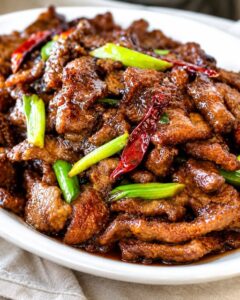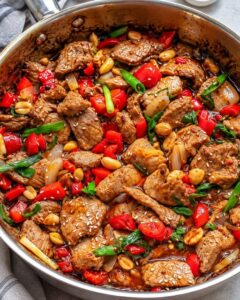

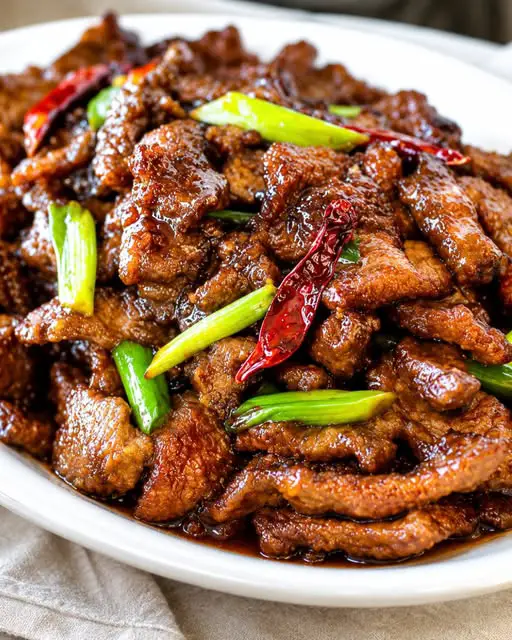
Introduction to Mongolian Beef
There’s something magical about a dish that brings warmth and comfort to the table, and Mongolian Beef does just that. This flavorful creation features tender slices of flank steak, coated in a savory sauce that dances on your taste buds. Whether you’re looking for a quick solution for a busy weeknight or a dish to impress your loved ones, Mongolian Beef fits the bill perfectly. With its rich flavors and simple preparation, it’s a meal that can turn any ordinary evening into a culinary adventure. Trust me, once you try it, you’ll be hooked!
Why You’ll Love This Mongolian Beef
Mongolian Beef is a game-changer for anyone who craves deliciousness without spending hours in the kitchen. It’s quick to whip up, taking just 30 minutes from start to finish. The tender flank steak, combined with a sweet and savory sauce, creates a flavor explosion that will have your family asking for seconds. Plus, it’s versatile enough to pair with rice or veggies, making it a perfect weeknight meal!
Ingredients for Mongolian Beef
Gathering the right ingredients is key to making Mongolian Beef a success. Here’s what you’ll need:
- Flank Steak: This cut is perfect for stir-frying due to its tenderness when sliced thinly against the grain.
- Cornstarch: Coating the beef in cornstarch helps create a crispy texture when frying.
- Black Pepper: A simple seasoning that enhances the beef’s natural flavors.
- Vegetable Oil: Used for frying, it has a high smoke point, making it ideal for stir-frying.
- Soy Sauce: This salty, umami-rich ingredient forms the base of the savory sauce.
- Water: Helps to balance the sauce’s intensity and achieve the right consistency.
- Brown Sugar: Adds sweetness to the sauce, balancing the saltiness of the soy sauce.
- Hoisin Sauce: A sweet and tangy sauce that deepens the flavor profile.
- Rice Vinegar: Provides a touch of acidity, brightening the overall taste.
- Garlic: Freshly minced garlic adds aromatic depth and enhances the dish’s flavor.
- Fresh Ginger: This adds a warm, spicy note that complements the other flavors beautifully.
- Red Pepper Flakes (optional): For those who enjoy a bit of heat, these can be added to spice things up.
- Green Onions: Sliced for garnish, they add a fresh crunch and a pop of color.
- Sesame Seeds: These are optional but add a nice nutty flavor and visual appeal.
For exact measurements, check the bottom of the article where you can find everything listed for easy printing. Happy cooking!
How to Make Mongolian Beef
Creating Mongolian Beef is a straightforward process that yields delicious results. Follow these simple steps, and you’ll have a mouthwatering dish ready in no time!
Prepare the Beef
Start by slicing the flank steak thinly against the grain. This technique ensures tenderness, making each bite melt in your mouth. Pat the slices dry with paper towels to remove excess moisture. Season them lightly with black pepper for an extra flavor boost. Trust me, this step is crucial for achieving that perfect taste!
Coat with Cornstarch
Next, place the sliced beef in a bowl and toss it with cornstarch until each piece is lightly coated. This coating is essential; it creates a crispy texture when frying. Plus, it helps the sauce cling to the beef later on. Shake off any excess cornstarch to avoid clumping during cooking.
Mix the Sauce
In a small bowl, whisk together the soy sauce, water, brown sugar, hoisin sauce, rice vinegar, and a tablespoon of cornstarch until smooth. Each ingredient plays a vital role: the soy sauce adds umami, the brown sugar balances the saltiness, and the rice vinegar brightens the flavors. This sauce is the heart of your Mongolian Beef!
Cook the Beef
Heat vegetable oil in a large skillet over medium-high heat. Working in batches, add the beef slices and cook for about 1–2 minutes per side until browned and crisp. Avoid overcrowding the pan; this ensures each piece gets that beautiful sear. Transfer the cooked beef to a plate and repeat until all the beef is cooked.
Prepare the Aromatics
After cooking the beef, carefully remove excess oil from the skillet, leaving about a tablespoon. Add minced garlic and ginger to the hot skillet. Cook for about 30 seconds until fragrant. These aromatics are key to enhancing the dish’s flavor profile, adding depth and warmth that will make your kitchen smell amazing!
Add the Sauce
Pour the sauce mixture into the skillet, bringing it to a gentle simmer. Stir constantly until it thickens and becomes glossy, about 2–3 minutes. This step is crucial for achieving the right consistency. If it gets too thick, don’t hesitate to add a splash of water to loosen it up.
Combine
Return the cooked beef to the skillet, tossing it in the sauce until every piece is evenly coated. This is where the magic happens! The beef absorbs all those delicious flavors, making each bite a burst of savory goodness.
Garnish and Serve
Finally, sprinkle sliced green onions and sesame seeds over the top for a pop of color and crunch. Serve your Mongolian Beef immediately while it’s warm. Pair it with rice or steamed veggies for a complete meal. Enjoy the compliments that come your way!
Tips for Success
- Slice the flank steak as thinly as possible for maximum tenderness.
- Chill the steak in the freezer for 20–30 minutes before slicing; it makes cutting easier.
- Cook the beef in batches to ensure even browning and crispiness.
- Adjust the brown sugar in the sauce to suit your taste preferences.
- Store leftovers in an airtight container for up to 3–4 days.
Equipment Needed
- Large Skillet: A non-stick skillet works wonders, but any heavy-bottomed pan will do.
- Cutting Board: Essential for slicing the flank steak safely.
- Sharp Knife: A good chef’s knife makes slicing the beef a breeze.
- Mixing Bowls: Use these for coating the beef and mixing the sauce.
- Measuring Cups: Handy for precise ingredient measurements.
Variations of Mongolian Beef
- Vegetarian Option: Substitute flank steak with tofu or tempeh for a plant-based twist. Ensure to press and marinate the tofu for better flavor absorption.
- Spicy Mongolian Beef: Add more red pepper flakes or a splash of sriracha to the sauce for an extra kick. Adjust to your heat preference!
- Low-Carb Version: Serve the beef over cauliflower rice instead of traditional rice for a healthier, low-carb alternative.
- Gluten-Free Adaptation: Use tamari instead of soy sauce to keep the dish gluten-free while maintaining that savory flavor.
- Mixed Vegetables: Toss in some bell peppers, broccoli, or snap peas during the cooking process for added nutrition and color.
Serving Suggestions for Mongolian Beef
- Steamed Rice: Serve over fluffy white or brown rice to soak up the delicious sauce.
- Stir-Fried Vegetables: Pair with a colorful mix of bell peppers, broccoli, and snap peas for added crunch.
- Cold Beer: Enjoy with a cold lager or pale ale to complement the savory flavors.
- Garnish: Add extra green onions and sesame seeds for a beautiful presentation.
FAQs about Mongolian Beef
What is Mongolian Beef?
Mongolian Beef is a popular dish featuring tender slices of flank steak coated in a savory sauce made with soy sauce, brown sugar, and aromatic ingredients. It’s known for its rich flavors and quick preparation, making it a favorite in many households.
Can I make Mongolian Beef ahead of time?
Absolutely! You can prepare the beef and sauce in advance. Just store them separately in airtight containers in the refrigerator. When you’re ready to eat, simply reheat and combine them in a skillet for a quick meal.
What can I serve with Mongolian Beef?
Mongolian Beef pairs wonderfully with steamed rice, stir-fried vegetables, or even noodles. You can also serve it with a cold beer or a light salad to balance the flavors.
Is Mongolian Beef gluten-free?
Traditional Mongolian Beef is not gluten-free due to soy sauce. However, you can easily make it gluten-free by substituting soy sauce with tamari, which offers a similar flavor without the gluten.
How do I store leftovers?
Store any leftovers in an airtight container in the refrigerator for up to 3–4 days. You can also freeze it for up to 2 months. Just reheat in a skillet with a splash of water to keep it moist.
Final Thoughts
Cooking Mongolian Beef is more than just preparing a meal; it’s about creating an experience that brings joy to your table. The aroma of sizzling beef mingling with garlic and ginger fills the kitchen, inviting everyone to gather around. Each bite delivers a delightful balance of sweet and savory flavors that can turn an ordinary weeknight into a special occasion. Whether you’re impressing friends or enjoying a cozy dinner with family, this dish is sure to become a favorite. So roll up your sleeves, embrace the process, and savor the delicious rewards of your culinary adventure!
Advertisement
Mongolian Beef: Discover the Secret to Perfect Flavor!
Mongolian Beef is a flavorful dish featuring tender slices of flank steak coated in a savory sauce made with soy sauce, brown sugar, and aromatic ingredients.
- Prep Time: 15 minutes
- Cook Time: 15 minutes
- Total Time: 30 minutes
- Yield: 4 servings 1x
- Category: Main Course
- Method: Stir-fry
- Cuisine: Mongolian
- Diet: Gluten Free
Ingredients
- 1½ lbs flank steak, thinly sliced against the grain
- ¼ cup cornstarch
- ½ tsp black pepper
- 3 tbsp vegetable oil, for frying
- ½ cup low-sodium soy sauce
- ½ cup water
- ⅓ cup brown sugar
- 1 tbsp hoisin sauce
- 1 tbsp rice vinegar
- 1 tbsp cornstarch
- 3 cloves garlic, minced
- 1 tbsp fresh ginger, minced
- ½ tsp red pepper flakes (optional)
- 3 green onions, sliced
- 1 tsp sesame seeds
Instructions
- Prepare the beef: Slice the flank steak thinly against the grain. Pat the slices dry with paper towels, then season with black pepper.
- Coat with cornstarch: Place the beef in a bowl and toss with ¼ cup cornstarch until each piece is lightly coated. Shake off any excess.
- Mix the sauce: In a small bowl, whisk together soy sauce, water, brown sugar, hoisin sauce, rice vinegar, and 1 tablespoon cornstarch until smooth.
- Cook the beef: Heat vegetable oil in a large skillet over medium-high heat. Working in batches, cook the beef for about 1–2 minutes per side until browned and crisp. Transfer to a plate.
- Prepare the aromatics: Carefully remove excess oil, leaving about 1 tablespoon in the skillet. Add garlic and ginger. Cook for about 30 seconds until fragrant.
- Add the sauce: Pour the sauce mixture into the skillet. Bring to a gentle simmer, stirring constantly, until it thickens and becomes glossy, about 2–3 minutes.
- Combine: Return the cooked beef to the skillet. Toss until all the pieces are evenly coated in sauce.
- Garnish and serve: Sprinkle with sliced green onions and sesame seeds. Serve immediately while warm.
Notes
- Slice the beef as thinly as possible for tender, quick-cooking pieces.
- For easier slicing, place the steak in the freezer for 20–30 minutes first.
- Cook the beef in batches to prevent overcrowding and help it brown properly.
- Add a little water if the sauce becomes too thick.
- Adjust the brown sugar to make the sauce less sweet or sweeter to taste.
- Store leftovers in an airtight container for up to 3–4 days in the refrigerator or freeze for up to 2 months.
- Reheat in a skillet over medium-low heat with a splash of water until heated through.
Nutrition
- Serving Size: 1 serving
- Calories: 350
- Sugar: 10g
- Sodium: 800mg
- Fat: 15g
- Saturated Fat: 2g
- Unsaturated Fat: 10g
- Trans Fat: 0g
- Carbohydrates: 30g
- Fiber: 1g
- Protein: 25g
- Cholesterol: 70mg