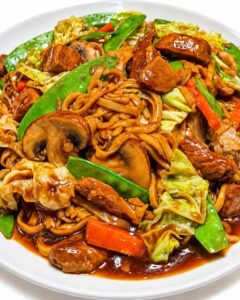

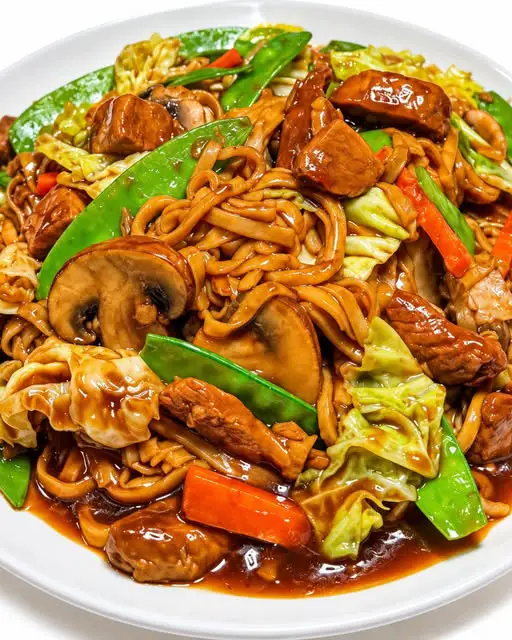
Introduction to Beef and Vegetable Lo Mein
When I think of comfort food, Beef and Vegetable Lo Mein always comes to mind.
This dish is like a warm hug after a long day.
It’s quick, satisfying, and packed with flavor, making it the perfect solution for busy weeknights or a cozy dinner with friends.
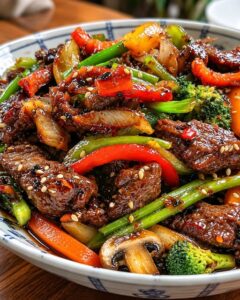
The tender beef, vibrant veggies, and savory noodles come together in a way that feels both indulgent and wholesome.
Whether you’re a seasoned cook or just starting out, this recipe is sure to impress your loved ones and leave them asking for seconds.
Why You’ll Love This Beef and Vegetable Lo Mein
This Beef and Vegetable Lo Mein is a game-changer for anyone juggling a busy schedule.
In just 35 minutes, you can whip up a delicious meal that’s bursting with flavor.
The combination of tender beef and fresh veggies makes it not only tasty but also nutritious.
Plus, it’s a one-pan wonder, which means less cleanup and more time to enjoy your meal.
What’s not to love?
Ingredients for Beef and Vegetable Lo Mein
Gathering the right ingredients is half the fun of cooking.
For this Beef and Vegetable Lo Mein, you’ll need a mix of fresh produce, savory sauces, and tender beef.
Here’s what you’ll need:
- Lo mein noodles or Chinese egg noodles: These are the star of the dish, providing that delightful chewy texture.
- Beef sirloin or flank steak: Thinly sliced against the grain, this beef adds richness and protein to your meal.
- Soy sauce: A must-have for that umami flavor, it enhances the overall taste of the dish.
- Cornstarch: This helps tenderize the beef and can thicken the sauce if desired.
- Sesame oil: A drizzle adds a nutty aroma and flavor that elevates the dish.
- Vegetable oil: Used for cooking, it has a high smoke point, perfect for stir-frying.
- Carrot: Julienned for a sweet crunch, it adds color and nutrition.
- Red bell pepper: Thinly sliced, it brings sweetness and a pop of color.
- Green cabbage: Shredded, it adds a nice crunch and absorbs flavors beautifully.
- Broccoli florets: These provide a hearty bite and are packed with vitamins.
- Sliced mushrooms: They add earthiness and a meaty texture to the dish.
- Garlic: Minced, it infuses the dish with aromatic goodness.
- Fresh ginger: Grated, it adds a zesty kick that complements the beef.
- Green onions: Cut into pieces, they add freshness and a mild onion flavor.
- Low-sodium soy sauce: For the sauce, it keeps the sodium in check while still delivering flavor.
- Oyster sauce: This adds depth and a hint of sweetness to the sauce.
- Hoisin sauce: A sweet and tangy addition that rounds out the flavors.
- Brown sugar: It balances the savory elements with a touch of sweetness.
- Rice vinegar: A splash adds acidity, brightening the dish.
- Beef broth or water: This helps create a luscious sauce.
- Ground black pepper: A pinch adds warmth and enhances the flavors.
- Cornstarch (optional): For those who prefer a thicker sauce, this is your go-to.
You can find these ingredients at your local grocery store, and if you’re feeling adventurous, consider experimenting with different vegetables or proteins.
Exact quantities are listed at the bottom of the article for your convenience.
How to Make Beef and Vegetable Lo Mein
Cooking Beef and Vegetable Lo Mein is a delightful journey that brings together flavors and textures in a matter of minutes.
Let’s dive into the steps that will transform your kitchen into a bustling noodle house.
Prepare the Beef
Start by marinating the beef.
In a bowl, toss the thinly sliced beef with soy sauce, cornstarch, and sesame oil.
This step is crucial; letting it sit for 10–15 minutes allows the flavors to penetrate the meat, making it tender and delicious.
Cook the Noodles
Next, bring a large pot of water to a boil.
Add the lo mein noodles and cook them according to the package directions until just tender.
Once done, drain and rinse them briefly with cool water.
This halts the cooking process and keeps them from becoming mushy.
Mix the Sauce
While the noodles are cooking, whisk together the sauce ingredients in a small bowl.
Combine low-sodium soy sauce, oyster sauce, hoisin sauce, brown sugar, rice vinegar, sesame oil, beef broth, and black pepper.
If you prefer a thicker sauce, mix in a bit of cornstarch here.
Sear the Beef
Heat vegetable oil in a wok or large skillet over high heat.
Add the marinated beef in a single layer, searing it for 1–2 minutes per side until browned.
If you have a lot of beef, work in batches to avoid overcrowding, which can lead to steaming instead of searing.
Cook the Aromatics
Once the beef is cooked, remove it from the wok and set it aside.
In the same hot wok, add minced garlic and grated ginger.
Stir-fry for about 30 seconds until fragrant, but be careful not to burn the garlic; burnt garlic can ruin the dish.
Stir-fry the Vegetables
Now it’s time for the veggies!
Start with the carrots and broccoli, cooking them for about 2 minutes.
Then, add the bell pepper, mushrooms, and cabbage.
Stir-fry everything for another 2–3 minutes until the vegetables are crisp-tender and vibrant.
Combine the Noodles and Beef
Return the seared beef to the wok and add the cooked noodles.
Pour the prepared sauce over the mixture, ensuring everything is coated in that savory goodness.
Toss Until Coated
Using tongs, toss the noodles, beef, and vegetables over high heat for 2–3 minutes.
This step is key; it ensures the sauce is evenly distributed and the noodles become glossy and flavorful.
Finish and Serve
Finally, add the green onions and toss for another 30 seconds.
Remove from heat and serve immediately.
Your Beef and Vegetable Lo Mein is ready to be enjoyed, bringing a taste of the takeout experience right to your table!
Tips for Success
- Slice the beef thinly against the grain for maximum tenderness.
- Don’t overcrowd the wok; cook in batches to achieve that perfect sear.
- Keep the noodles slightly firm; they’ll hold up better during stir-frying.
- Use high heat for quick cooking, ensuring veggies stay crisp and vibrant.
- Taste and adjust the sauce as needed; a splash of broth can enhance moisture.
Equipment Needed for Beef and Vegetable Lo Mein
- Wok or large skillet: A wok is ideal for stir-frying, but a large skillet works just as well.
- Pot: For boiling the noodles, any large pot will do.
- Cutting board and knife: Essential for prepping your ingredients.
- Measuring cups and spoons: Useful for precise ingredient measurements.
- Tongs: Perfect for tossing everything together in the wok.
Variations of Beef and Vegetable Lo Mein
- Protein Swaps: Try chicken, shrimp, or tofu instead of beef for a different flavor profile.
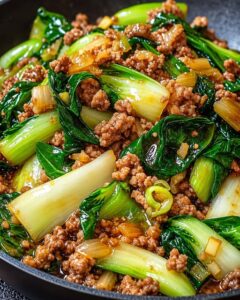
- Vegetable Medley: Add snap peas, bok choy, or zucchini for extra crunch and nutrition.
- Spicy Kick: Incorporate sliced jalapeños or a dash of sriracha for a spicy twist.
- Gluten-Free Option: Use gluten-free noodles and tamari instead of soy sauce for a gluten-free meal.
- Low-Carb Version: Substitute noodles with spiralized zucchini or shirataki noodles for a low-carb alternative.
Serving Suggestions for Beef and Vegetable Lo Mein
- Side Dishes: Pair with crispy spring rolls or a light cucumber salad for a refreshing contrast.
- Drinks: Enjoy with a chilled Asian lager or a refreshing iced green tea.
- Presentation: Serve in large bowls, garnished with sesame seeds and extra green onions for a pop of color.
FAQs about Beef and Vegetable Lo Mein
Can I use other types of noodles for this Beef and Vegetable Lo Mein?
Absolutely! While lo mein noodles are traditional, you can substitute them with spaghetti, rice noodles, or even zucchini noodles for a low-carb option. Just adjust the cooking time accordingly.
How can I make this dish vegetarian?
To make a vegetarian version, simply replace the beef with tofu or tempeh. You can also add more vegetables like bell peppers, snap peas, or mushrooms to enhance the flavor and texture.
What can I do if my sauce is too salty?
If your sauce turns out too salty, try adding a splash of water or beef broth to dilute it. You can also balance it with a bit of sugar or honey to counteract the saltiness.
Can I prepare Beef and Vegetable Lo Mein in advance?
Yes! You can prep the ingredients ahead of time. Just store the marinated beef, chopped vegetables, and cooked noodles separately in the fridge. When you’re ready to eat, stir-fry everything together for a quick meal.
How do I store leftovers?
Leftovers can be stored in an airtight container in the fridge for up to three days. Reheat in a skillet or microwave, adding a splash of water to keep the noodles from drying out.
Advertisement
Final Thoughts
Cooking Beef and Vegetable Lo Mein is more than just preparing a meal; it’s about creating a moment of joy.
The aroma of sizzling beef and fresh vegetables fills the kitchen, inviting everyone to gather around the table.
Each bite is a delightful blend of flavors and textures, reminding me of cozy nights spent with family.
This dish is not only quick and easy but also a canvas for creativity.
Whether you stick to the classic recipe or make it your own, Beef and Vegetable Lo Mein is sure to bring smiles and satisfaction to your dining experience.
PrintBeef and Vegetable Lo Mein: A Quick Recipe Guide!
A quick and delicious Beef and Vegetable Lo Mein recipe that combines tender beef, fresh vegetables, and flavorful noodles in a savory sauce.
- Prep Time: 15 minutes
- Cook Time: 20 minutes
- Total Time: 35 minutes
- Yield: 4 servings 1x
- Category: Main Course
- Method: Stir-fry
- Cuisine: Chinese
- Diet: Low Calorie
Ingredients
- 12 oz lo mein noodles or Chinese egg noodles
- 1 lb beef sirloin or flank steak, thinly sliced against the grain
- 1 tablespoon soy sauce
- 1 teaspoon cornstarch
- 1 teaspoon sesame oil
- 1 tablespoon vegetable oil, for cooking
- 1 medium carrot, julienned
- 1 medium red bell pepper, thinly sliced
- 2 cups shredded green cabbage
- 1 cup broccoli florets
- 1 cup sliced mushrooms
- 4 cloves garlic, minced
- 1 tablespoon freshly grated ginger
- 3 green onions, cut into 2-inch pieces
- ¼ cup low-sodium soy sauce
- 2 tablespoons oyster sauce
- 1 tablespoon hoisin sauce
- 1 tablespoon brown sugar
- 1 tablespoon rice vinegar
- 1 teaspoon sesame oil
- ¼ cup beef broth or water
- ½ teaspoon ground black pepper
- ½ teaspoon cornstarch, optional, for a thicker sauce
Instructions
- Prepare the beef. In a bowl, toss the sliced beef with 1 tablespoon soy sauce, 1 teaspoon cornstarch, and 1 teaspoon sesame oil. Let it marinate for 10–15 minutes while preparing the other ingredients.
- Cook the noodles. Bring a large pot of water to a boil. Cook the noodles according to the package directions until just tender. Drain, rinse briefly with cool water if needed to stop cooking, and toss with a small drizzle of oil to prevent sticking.
- Mix the sauce. In a small bowl, whisk together the low-sodium soy sauce, oyster sauce, hoisin sauce, brown sugar, rice vinegar, sesame oil, beef broth, and black pepper. If you prefer a thicker sauce, mix in the optional cornstarch.
- Sear the beef. Heat the vegetable oil in a wok or large skillet over high heat. Add the beef in a single layer and sear for 1–2 minutes per side until browned and cooked through. Work in batches if necessary, then transfer to a plate.
- Cook the aromatics. Add the garlic and ginger to the hot wok. Stir-fry for about 30 seconds until fragrant, taking care not to burn the garlic.
- Stir-fry the vegetables. Add the carrots and broccoli first and cook for 2 minutes. Add the bell pepper, mushrooms, and cabbage. Stir-fry for another 2–3 minutes until the vegetables are crisp-tender.
- Combine the noodles and beef. Return the beef to the wok and add the cooked noodles. Pour the prepared sauce over everything.
- Toss until coated. Use tongs to toss the noodles, beef, and vegetables over high heat for 2–3 minutes, until the sauce is evenly distributed and the noodles are glossy.
- Finish and serve. Add the green onions and toss for another 30 seconds. Remove from the heat and serve immediately.
Notes
- Slice the beef thinly against the grain to make it more tender.
- Avoid overcrowding the wok. Cook the beef in batches so it browns instead of steaming.
- Don’t overcook the noodles. Slightly firm noodles hold their texture better when stir-fried.
- Keep the vegetables crisp. Use high heat and stir-fry them briefly.
- Adjust the sauce to taste. Add a splash of broth if the noodles seem dry, or a little extra soy sauce for a saltier flavor.
Nutrition
- Serving Size: 1 serving
- Calories: 450
- Sugar: 6g
- Sodium: 800mg
- Fat: 15g
- Saturated Fat: 3g
- Unsaturated Fat: 10g
- Trans Fat: 0g
- Carbohydrates: 55g
- Fiber: 4g
- Protein: 30g
- Cholesterol: 70mg